This is Blog No 123
The western liberal tendency continues its horrified fascination with Donald Trump. Its latest iteration is irritation that NATO allies and others were not consulted before the war with Iran was unleashed by Israel and the USA.
Seldom have I heard the word ‘consultation’ used on so many headline news services.
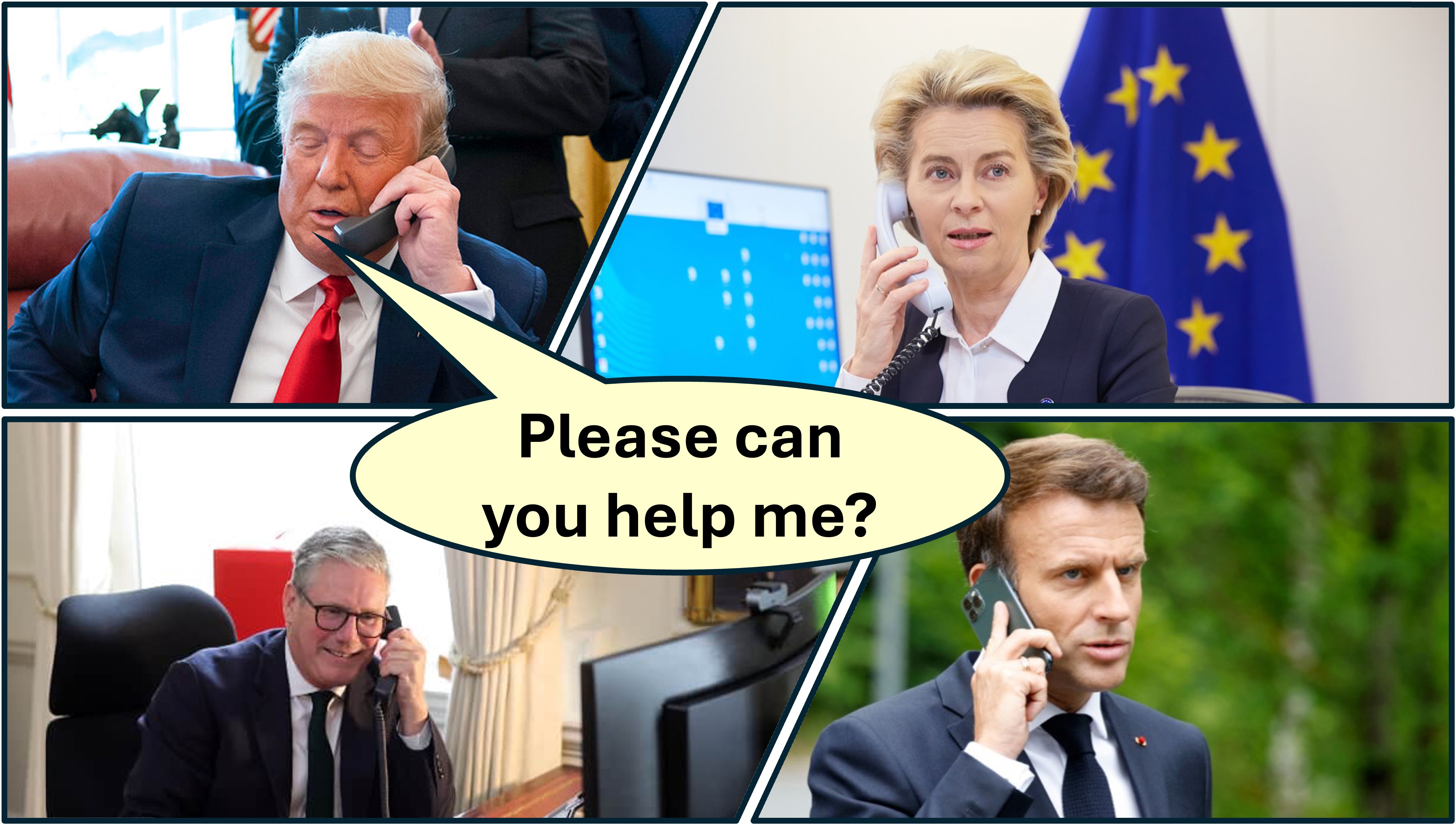
And rarely does international ‘big politics’ provide us with such insights into the meaning and essence of consultation – something that affects us all in one way or another.
In the UK, the Courts have developed an erstwhile set of rules, but there is no theory of consultation as such. What we have is a vast amount of practical experience from different countries, different political regimes, and addressing issues defined in different public, private and voluntary sectors. The best that can probably be said is that society is deeply ambivalent about consultation – finding it useful on occasions, but mistrustful of its motives, methods and influence.
Which is why the tale of Trump’s war in the Middle East sheds much light on the process. Here are four takeaways that bear consideration:-
1. Performative politics includes consultation!
What we’ve learnt about Trump is that the veteran TV personality sees the world as theatre. Almost everything is ‘performative’ and is choreographed to achieve the optimum reactions from whoever he wishes to impress. Much of his boastful rhetoric and cruel insults are there to burnish his self-image. He will willingly consult if it makes him look good and equally decline to do so if it makes him look less than omnipotent.
Quiet diplomacy may secure influence behind the scenes, but for the sake of appearances, the big boss cannot normally be seen to seek advice without risk to his self-appointed status as knowing everything that matters. Failure to consult is therefore just a visible way to snub allies and stakeholders.
We have all encountered organisations or strong leaders who think in the same way. Few are as arrogant as Trump, but there are times when we may need to swallow hard, calm down and carry on, recognising that, at the end of the day, it’s just the ‘performance’.
2. Great expectations
There was no consultation on Venezuela either! Allies would have concluded that they had limited interests in that part of Latin America and maybe conceded that it was essentially a scuffle in Uncle Sam’s backyard.
In English common law, we observe the “doctrine of legitimate expectations” and over the years we have built an understanding of what is ‘legitimate’ in the context of consultation. One of the established criteria is the removal of a benefit currently enjoyed by a consultee. European allies will presumably argue that they have a major economic interest in the free flow of trade from the Persian Gulf – and that they therefore had an ‘expectation’ that before the USA recklessly risked jeopardising this important interest, there should have been consultation. In short the extent of your interest affects your expectations
3. The revenge of the unconsulted.
We have all seen it. “What a fine mess you’ve got yourself into!. Don’t expect us to come to your rescue. YOU SHOULD HAVE CONSULTED us first!” Cautious NATO members would be unlikely to use such language, but one of the virtues of consultation is that it builds a degree of ‘shared ownership’ of a problem. Of course it depends upon the conduct of the exercise. If it was genuine and the consultor visibly takes account of consultee input, even those whose responses did not prevail are likely to acknowledge that there was an attempt to involve them. ‘We’re all in this together’ works better if there has been an effort to share an understanding of the problem and a dialogue about possible solutions.
As European leaders are quickly discovering, it seldom pays to sulk and show displeasure by letting the organisation which failed to consult stew in its own juice. Better to be pragmatic, more in sorrow than in anger, and agree to muck in if necessary. The time may yet come when more favours are requested from the unconsulted and everyone may rue the lack of prior engagement. Not sure about Trump though!
4. Reciprocity …or ‘The art of the deal’
As diplomats know from their training, and Stakeholder Managers learn from experience, most relationships are bidirectional. They are a two-way conversation with the need for sufficient mutual benefits to sustain any meaningful dialogue. At the Consultation Institute, I always insisted that although consultation is not a negotiation, but of course it has DOES have a role to play before parties to a complex discussion come to a formal agreement. That might include conferring with those likely to be impacted. “What will be the impact of this agreement?” “Can this work for you?”
Consultations frequently throw up responses and suggestions that can usefully refine a proposal or create conditions more favourable for achieving better outcomes. They can also identify hurdles or roadblocks that the consultor has overlooked. The quid pro quo is that both sides think long and hard about decisions that affect others’ interests. In the present case, European leaders might argue that prior consultation would have highlighted risks that seem now to have been underestimated.
In Trump-world however, it is all about strength and power, and as his ghostwriter stresses in The Art of the Deal, the trick is to leverage your power advantage.
And that’s the key point. If someone thinks they have all the power, there may be little or no consultation. What’s the point? You’re not really interested in others’ views. Only if they give you something of real value in return might you do a deal. In the classic musical, Chicago, there’s a cynical, brassy, cabaret-style song sung by the fierce, all-powerful Manager of the female prison. “When you’re good to Mamma, She’ll be good to you.” Another line affirms “They say that life is tit for tat, And that’s the way I live.”
Consultation belongs to a different world – where the extent of power is less important than the way it is used. Really smart leaders realise that the ability to listen constructively and a reputation for taking consultee responses seriously matter much more. And is the true source of strength.
Sadly, President Trump is not one of them.
Rhion H Jones LL.B,
March 2026